
Mandatory UN ECOSOC Special Consultative Status Report (2021–2025): PEPA L’Humanitaire NGO, in special consultation with UN ECOSOC since 2017, Prof Cecilia W. Yu Ambassador Report
Mandatory UN ECOSOC Special Consultative Status Report (2021–2025):
Statement by Professor Cecilia.W.Yu 余詠詩 ,
Ambassador of the Non Governmental Organizations PEPA (in Special Consultative Status with the United Nations Economic & Social Development Council since 2017), for the Council and the Chairs of its Functional Commissions and Expert Bodies.


18th May 2025
Mission Summary:
Between 2021 and 2025, PEPA L’Humanitaire NGO, under the Ambassadorship of Amb. Prof. Dr. Cecilia W. Yu dedicated our activities to fostering human rights advocacy at both grassroots and global levels. As an organization in special consultation with the United Nations Economic and Social Council (ECOSOC) since 2017, PEPA has focused on key areas including the protection of Indigenous rights, the promotion of women’s empowerment, climate justice, and the fight against corruption. The organization has consistently worked to bridge local realities with international policy frameworks, particularly those aligned with the United Nations Sustainable Development Goals (UN SDGs).
Ambassador Statement 2021-20225:
I, in my capacity as PEPA’s appointed Ambassador to UN Geneva with a mandate to represent some 200 NGOs organization stakeholders throughout Pan-Africa, working in close alliance with PACJA Pan African Climate Justice Alliance for over a decade in our Sustainability advocacy and attendance at UN FCCC COPs, attended UN FCCC COP26 in Glasgow in 2021 and played a pivotal role in amplifying the voices of marginalized communities through my participation in this highest level of international forums and events for Sustainability and Climate Justice. Working in close alliances with members of the Africa Union, we seek to drive the focus towards Sustainable social and economic development through collaboration with all our international stakeholders. This report provides an in-depth look at the activities and outcomes of PEPA’s advocacy work over this period, highlighting the key milestones and the direct involvement of our leadership in shaping the discourse on global development challenges and appropriate lobby for climate justice as the basic form of social justice and protection of human rights on this planet.
Ambassador’s Mission report 2021-2025:
My Ambassadorship at the United Nations on behalf of PEPA NGO included the following key strategies for crisis management and enhancement of the Human Development Index (UNDP HDI) in our challenging region in Pan-Africa:
UN-Level Representation and Nobel related Crisis Management Advocacy
In 2021, despite the challenges posed by the COVID-19 pandemic, I continued to represent PEPA L’Humanitaire in various international settings. I participated in the Nobel Prize Summit “Our Planet, Our Future” in April 2021, a virtual gathering of Nobel laureates and experts focused on sustainability, where I had the opportunity to advocate the lack of access to vaccines for my Pan African stakeholders before Nobel Laureate and Economic advisor to the World Economic Forum, Professor Joseph. Stiglitz. Concurrently I also consulted the expertise of the Panzi Foundation, founded by the Congolese Nobel Laureate Denis Mukwege regarding the protection of victims of Rape as a weapon of conflict. During this event, I engaged with discussions on climate solutions and transparency, while sharing insights with African climate negotiators who were preparing for future COP26-COP29. My participation exemplified the significance of PEPA’s UN ECOSOC special consultative status, in the level of expertise we provided in connection with African stakeholders at high-level policy dialogues, thus ensuring that the Southern hemisphere’s perspectives were brought into crucial climate negotiations and WHO World Health Organization priorities for address Vaccine Poverty of our stakeholders.
In November 2021, my advocacy for women’s education and cultural heritage were well-received in the Australian Pavillion at Expo 2020 in Dubai. On-site in Dubai, I met with Ukrainian chess Grandmaster Anna Muzychuk, who provided a message of encouragement for a young female player in the Middle East and the vulnerable victims of the brutal assault by a convicted war criminal on Ukrainian civilians, especially vulnerable were women and children because they were targeted for sex slavery and human trafficking. Such fossil fuel funded wars had spillover effects in regional conflicts in Pan-Africa. Our UN affiliated organisations became targeted by those who seek to commit Corporate Crimes Against Humanity (CCAH) by bribing para-militaries to target and abuse our grassroot workers and stakeholders; they sought to abuse Indigenous groups in order to landgrab for rights to the mining of rare-earth minerals in the Congo and other pan-African countries where PEPA NGO have active presence in pleading for human rights of women, elderly, the vulnerable and children! My work with legal representatives from Nobel Peace Prize 2022 and African Environmental Human Rights lawyers, extended beyond grassroots communities to impact global legal policy and international jurisprudence in setting legal precedence for holding Fossil Fuel Multinational Enterprise (MNEs) for their “planet wrecking”. My message was later circulated at the UNGA and CSW in New York to lobby for the sustainable development and empowerment of girls through education, highlighting the important role of cultural initiatives in achieving the United Nations Sustainable Development Goals (SDGs).
My direct involvement in these activities as PEPA NGO, showcased our role in linking local community efforts to global conversations on SDG4 (Quality Education), SDG13 (Climate Action), and SDG16 (Peace, Justice, and Strong Institutions), all of which align with the mission of UN ECOSOC towards economic and social development.
Championing Climate, Water, and Women’s Rights Amid Crisis (2022)
In 2022, as Ambassador I focused on climate justice, water conservation, and women’s rights became even more pronounced. On March 7, 2022, in observance of International Women’s Day, I unveiled an art initiative titled “Little Daughters of Lviv (Art: Eleutheria III)”, which highlighted the resilience of war-affected girls in Ukraine. This piece of creative advocacy came just weeks after the invasion of Ukraine, drawing attention to the urgent need for women’s rights protection in conflict zones. The initiative was a part of our broader mission to provide support to victims of war across different world regions, directly linking the organization’s advocacy to the ongoing humanitarian crisis.
Mid-year, I participated as a guest speaker at the United Nations World Oceans Day virtual event on June 8, 2022. Here, I shared my case study on SDG14 (Life Below Water) and SDG6 (Clean Water and Sanitation), presenting my artwork as an example of how cultural exchange and digital media can be leveraged to raise awareness for ocean protection and clean water. My presentation was widely circulated and reinforced PEPA L’Humanitaire’s immutable stance on environmental issues, highlighting the role of grassroots creative voices in shaping global environmental policy.
Throughout 2022, my work also involved policy advocacy at the UN ECOSOC in Geneva, where members of PEPA L’Humanitaire made a formal submission addressing human rights and governance. This submission highlighted the importance of peace, justice, and strong institutions (SDG16) and was shared globally, demonstrating how PEPA’s special consultative status enabled it to directly influence high-level policy discussions. I recalled receiving word of this policy submission while attending a French cabaret night, where I connected the tricolore lights to the symbolism of freedom and justice PEPA was advocating for. This moment captured my personal and professional commitments to peace, human development and human rights governance reform, as PEPA’s Ambassador to UN Geneva.
Advancing Digital Governance and Partnerships for Climate & Gender Equality (2023)
In 2023, my UN roles expanded when I participated in UNESCO’s “Internet for Trust” Global Conference held in Paris in February 2023. As part of a diverse gathering of over 3,000 stakeholders, my contributions centered around digital governance, specifically the fight against ai-enabled disinformation and hate speech online. My participation in this conference marked a significant step in my global advocacy for SDG5 (Gender Equality) and SDG9 (Industry, Innovation, and Infrastructure), by calling for stronger protections for vulnerable groups, particularly women and Indigenous communities, in digital spaces.
In addition to my UNESCO digital governance work, as Ambassador, I continued to push forward the climate justice agenda, particularly focusing on the Africa Climate Summit and UNGA78. I co-authored a comprehensive report on African civil society’s perspectives on climate action and shared these insights with global policymakers. This report was downloaded over 4,700 times from the We Don’t Have Time portal, a global climate action network of 200million Sustainability organizations. Printed copies of the UNGA79 report can be obtained via PEPA’s Community Publishing and Printing Center.
Furthermore, in the latter part of 2023, we celebrated PEPA’s success in the “Love Children” initiative in the Democratic Republic of Congo, highlighting PEPA’s ongoing partnerships with UNICEF and its community-driven approaches to improving education and childcare. This program encouraged gender-equitable childcare. It was an excellent expression of how PEPA’s local projects align with global initiatives like SDG4 (Quality Education), which I championed as Ambassador throughout the year.
Enhancing Institutional Leadership and Policy Breakthroughs (2024)
2024 marked a year of significant institutional leadership for me as Ambassador for PEPA. In May 2024, I assumed the role of Executive Director at the UN SDG Action Hub in Kenya, which was accepted in honor of the late Prof. Ezekiel Okemwa, a Nobel Peace Prize co-laureate and founding IPCC Oceanographer for Sustainability. This new Honorary role allowed me to continue advocating for sustainability research and climate justice in Kenya and Pan-Africa, further solidifying my leadership in advancing SDG13 (Climate Action).
At the same time, I was invited to contribute to UNESCO’s “Digital Platform Governance” conference in Dubrovnik, Croatia (June 2024) focusing on combating hate speech and promoting freedom of expression and ending online Hate speech. My role as a moderator during the global governance event exemplified how PEPA’s consultative status enabled civil society to directly influence policy conversations on digital governance. Additionally, in September 2024, I as Amb. Dr. Yu served as a rapporteur at the 3rd Session of the UN Permanent Forum on People of African Descent (PFPAD), I raised the issue of systemic racism in higher education that discriminates against the Global South and people of African Descent. The UN Human Rights Council’s report from this session formally acknowledged my Rapporteur’s contributions, achieving a significant policy victory for Sustainable Equitable development.
Conclusion and Continuing Impact (2025)
As of 2025, my Ambassador contributions to global policy and advocacy advanced PEPA’s mission and also firmly situated my work as a leading expert voice in the global strategies for sustainable economic, social and cultural development. Whether through digital governance, climate justice, or gender equality. Through my leadership, PEPA L’Humanitaire is a pivotal leader in shaping the future of economic and social development in alignment with the United Nations’ Sustainable Development Goals, ensuring that the voices of the marginalized are heard at the highest levels of the UN systems.
Strategic Recommendations for UN ECOSOC on Crisis Management:
- Enhance Focus on Indigenous Rights and Land Protection
- Recommendation: Establish stronger frameworks for protecting Indigenous land rights, particularly in areas affected by mining, deforestation, and conflict.
- Action: Strengthen collaboration with Indigenous organizations to ensure their voices are included in policymaking.
- Strengthening Governance and Accountability in Crisis Zones
- Recommendation: Increase focus on anti-corruption initiatives in crisis management, ensuring that aid and resources are distributed transparently.
- Action: Create systems for real-time monitoring of governmental accountability, especially in regions experiencing conflict or post-crisis recovery.
- Promote Climate Adaptation for Vulnerable Communities
- Recommendation: Integrate climate justice into crisis management strategies, particularly for small island nations and sub-Saharan Africa.
- Action: Establish funding mechanisms specifically for climate-resilient infrastructure, disaster preparedness, and sustainable agriculture for vulnerable communities.
- Amplify Women’s Voices in Crisis Response
- Recommendation: Make gender equality a central tenet of crisis management, particularly in conflict zones where women face heightened risks of violence.
- Action: Support grassroots initiatives aimed at women’s empowerment and provide platforms for women leaders in crisis-stricken areas to have a seat at the table in global negotiations.
- Increasing Digital Governance for Crisis Information Management
- Recommendation: Prioritize digital literacy and governance in the context of crisis management, particularly in humanitarian aid and disaster response.
- Action: Implement guidelines and protocols for accurate, secure information sharing in conflict zones, using technology to fight misinformation and help marginalized communities.
- Foster Partnerships for Resilient Recovery
- Recommendation: Build partnerships between UN agencies, civil society, and private sector actors to create multi-stakeholder platforms for crisis response.
- Action: Create joint task forces that leverage local knowledge, global resources, and innovative technology to address global crises such as climate disasters, conflicts, and pandemics.
- Address Systemic Racism in Higher Education
- Recommendation: Address the role of higher education institutions in crisis management by fostering inclusivity and diversity in academic curriculums and leadership roles.
- Action: Introduce policies aimed at removing barriers to higher education for marginalized communities and ensure universities participate in cultural competency training.
- Support for Children and Vulnerable Populations During Crisis
- Recommendation: Enhance child protection and education efforts, ensuring children are not left behind during crisis recovery.
- Action: Promote initiatives such as the “Love Children” program to support education, nutrition, and mental health services for children, especially in post-crisis and conflict zones.
- Focus on Sustainability Post-Crisis
- Recommendation: Ensure that recovery strategies include long-term sustainability plans to avoid short-term fixes that harm future generations.
- Action: Integrate sustainable development principles into rebuilding efforts, ensuring communities can thrive independently and sustainably in the long term.
- Leverage Art and Culture for Healing and Advocacy
- Recommendation: Utilize art, culture, and creativity as tools for healing, advocacy, and building connections in post-crisis environments.
- Action: Fund and promote art initiatives that provide mental health support, cultural preservation, and public awareness during and after crises.
By addressing these key areas, UN ECOSOC can enhance its role in effective crisis management, ensuring that global responses are equitable, sustainable, and inclusive of the most vulnerable communities.
Thank you for your time. Thus conclude my Mandatory UN ECOSOC special consultation Ambassador’s report 2021-2025.
PEPA L’Humanitaire NGO
Office Address: Q. Himbi 2, Avenue Walikale no 08, Goma, DR.Congo
Our office is open from Monday to Friday (08:30 to 16:30)
Saturdays: from 9:00- 14:00
For all inquiries contact us by Email at:
Tel: +243 814340990
For Report Q&A: PEPA NGO Ambassador Cecilia.W.Yu can be contacted by email: info@ceciliayu.com
ADDENDUM ENDNOTES:
[a] PEPA is an international NGO in special consultative status with the UN ECOSOC. See CoNGO at www.pepahumandignity.org
[b] See United Nations Sustainable Development Goals SDG at sdgs.un.org/goals and Intangible Cultural Heritage at ich.unesco.org/en/lists
[c] PEPA responded to UN ECOSOC special consultation questionnaire and submitted “Procedural Fairness in Funding report” in order to cover both language use at the UN (sexist language, the language of hate, the language of peace, human rights language) in funding application and the use of languages at the UN (provision of translation and interpretation, documentation, outreach to speakers of other languages, parity among languages, protection and promotion of indigenous languages, etc.). My Ambassador report is transparently published at Cecilia Yu.com Pepa NGO Procedural Fairness Report 2017-2018
[d] A recent report of the United Nations World Food Program said of DRC, “The number of acutely food-insecure people stands at 21.8, making access to food a daily struggle for a significant part of the Congolese population. An estimated 3.4 million children are acutely malnourished.” In 2010, UN World Health Organization (WHO): “Improvement in mental health services doesn’t require sophisticated and expensive technologies. What is required is increasing the capacity of the primary health care system for delivery of an integrated package of care,” said Ala Alwan, Assistant Director-General for Non-communicable Diseases and Mental Health at WHO.
[e] In the UNDP Human development report of 2020, Professor Sen wrote, “ The human development index (HDI), which the Human Development Report has made into something of a flagship, has been rather successful in serving as an alternative measure of development, supplementing GNP. Based as it is on three distinct components—indicators of longevity, education and income per head—it is not exclusively focused on economic opulence (as GNP is). Within the limits of these three components, the HDI has served to broaden substantially the empirical attention that the assessment of development processes receives.”

Cecilia’s Art saatchi

Exhibitions in UK, USA, Scandinavia, Australia, Japan, Egypt and Hong Kong
Sustain-Able 余 Weekly

Your project could be in it! (Click2Read)
Cecilia’s Art National tour in Japan 2011-2015
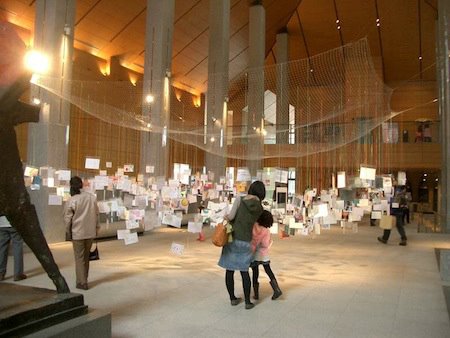
" Postcard to Japan" International House of Japan, Tokyo 2013 + Fukushima Prefectural Museum of Art, 福島県立美術館
Top Posts & Pages




Cecilia’s International Art

Get the latest info on Cecilia's Global Exhibitions (Click2Visit Saatchi) :)
Free Book: Translation of Tao Te Ching Cecilia likes: (Click on image to get free pdf)

Tao Te Ching translated by Lok San Ho
Get Free Gandhi E-books
Click2Download from www.mgandhi.org
Cecilia is PEPA NGO’s UN Ambassador (in consultation with UN ECOSOC since 2017)

From Oxfam:“Cereal Secrets: The world’s largest grain traders and global agriculture”, ABCD Food Trading.

Click2 Get Free pdf Report
Faith in Fakes “Travels in Hyper-reality” by Umberto Eco

Free e-Book of the month! (click image for pdf)
#NL2B 2015 My Annual Culture Event

Bombed Out Church, Liverpool

Busuu.com Free Language Learning Community!

Cecilia uses Busuu.com to learn French (also available free Spanish, German, Italian, Japanese, Portugeuse, Russian, Polish, Turkish, Arabic. English + Chinese!
 Sustain-Able 余 : ♥ www.CeciliaYu.com
To/From Cecilia Messages: